
The Second Session of the Immunohistochemistry p16/Ki-67 Dual Staining Training Course Successfully Concluded

Editor’s Note:
In the gentle breeze and clear skies of May in Rongcheng, the second session of the Immunocytochemistry p16/Ki-67 Dual Staining Training Course, organized by the Cross-Strait Precision Medicine Association and hosted by Fuzhou Maixin Medical Laboratory Co., Ltd., successfully concluded.
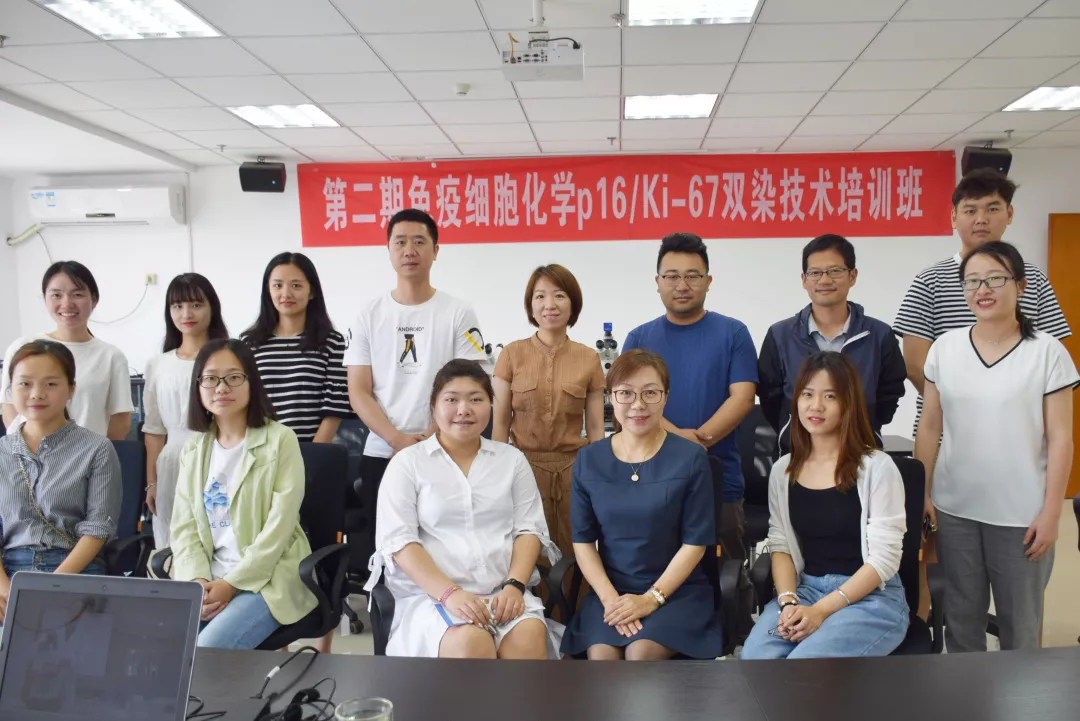
Pathology technicians, researchers, and university teachers from provinces and cities such as Tianjin, Jiangsu, Zhejiang, and Fujian actively participated in this training course, engaging in lively discussions on the diagnostic value of immunocytochemistry p16/Ki-67 dual staining in gynecological and non-gynecological cytology.
The Application Value of p16/Ki-67 Immunocytochemistry Dual Staining in Cervical Lesion Screening

Xu Shuxia – Department of Pathology, Fujian Maternal and Child Health Hospital
Teacher Xu pointed out that the combined application of p16 and Ki-67 in immunocytochemistry for cervical lesion detection can significantly improve the accuracy of clinical cervical biopsy diagnosis and facilitate clinical triage.
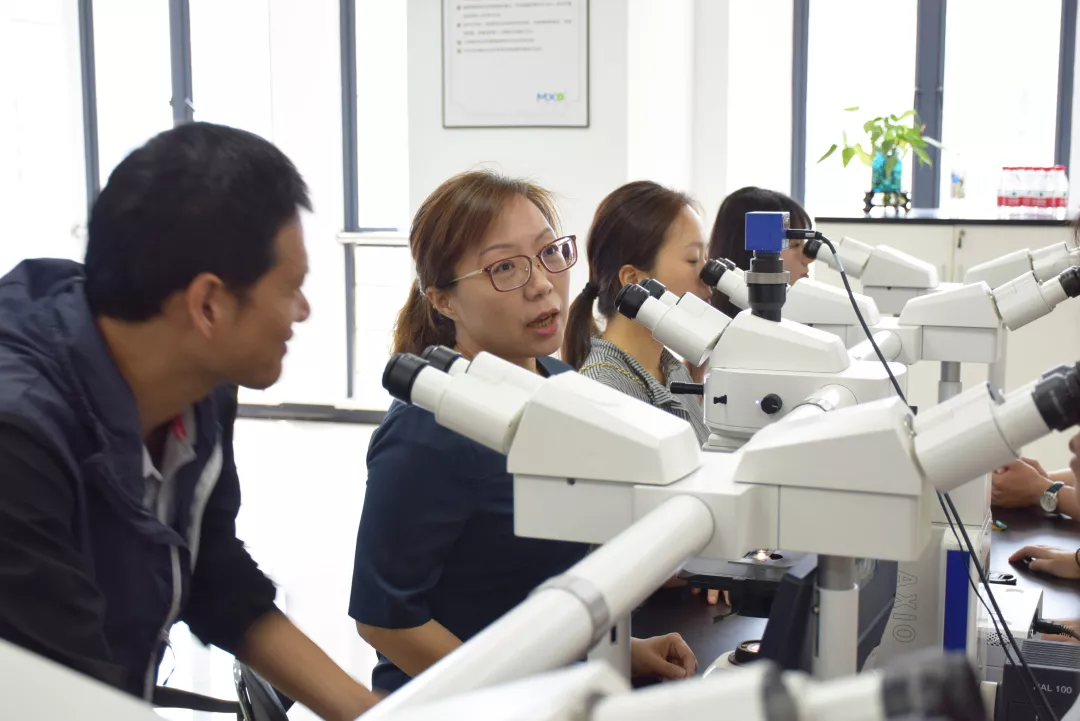
Teacher Xu Shuxia teaching using a multi-head teaching microscope
China’s large population base and relatively insufficient medical resources lead to a heavy workload for pathology doctors, who must review a large number of slides. Cytology slide review places very high demands on pathology doctors. Maixin’s independently developed immunocytochemistry p16/Ki-67 dual staining is simple to interpret, providing pathology workers with a more accurate and rapid interpretation method. At the same time, due to its high sensitivity and specificity, it reduces the clinical missed diagnosis rate to some extent.
The Diagnostic Value of Immunocytochemistry in Non-Gynecological Cytology
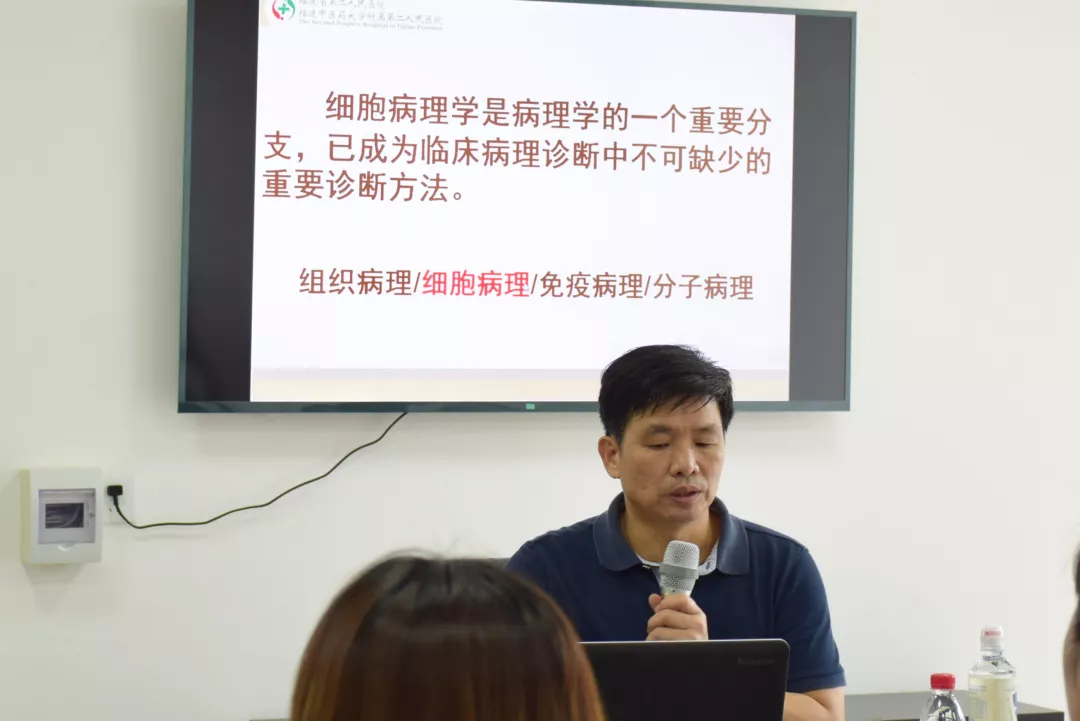
Director Lin Jianlong – Department of Pathology, Fujian Second People’s Hospital
Teacher Lin shared the application of immunocytochemistry in pleural and ascitic fluid cytology, as well as in thyroid and lymph node fine-needle aspiration immunocytochemistry.
In the context of precision medicine, immunocytochemistry dual staining technology not only helps pathology doctors detect cancer cells more quickly but also more accurately reflects the origin of tumor cells, providing more assistance for subsequent patient treatment. At the same time, it significantly saves patients’ medical expenses and reduces the excessive use of national medical resources.
Hands-on Operation Session
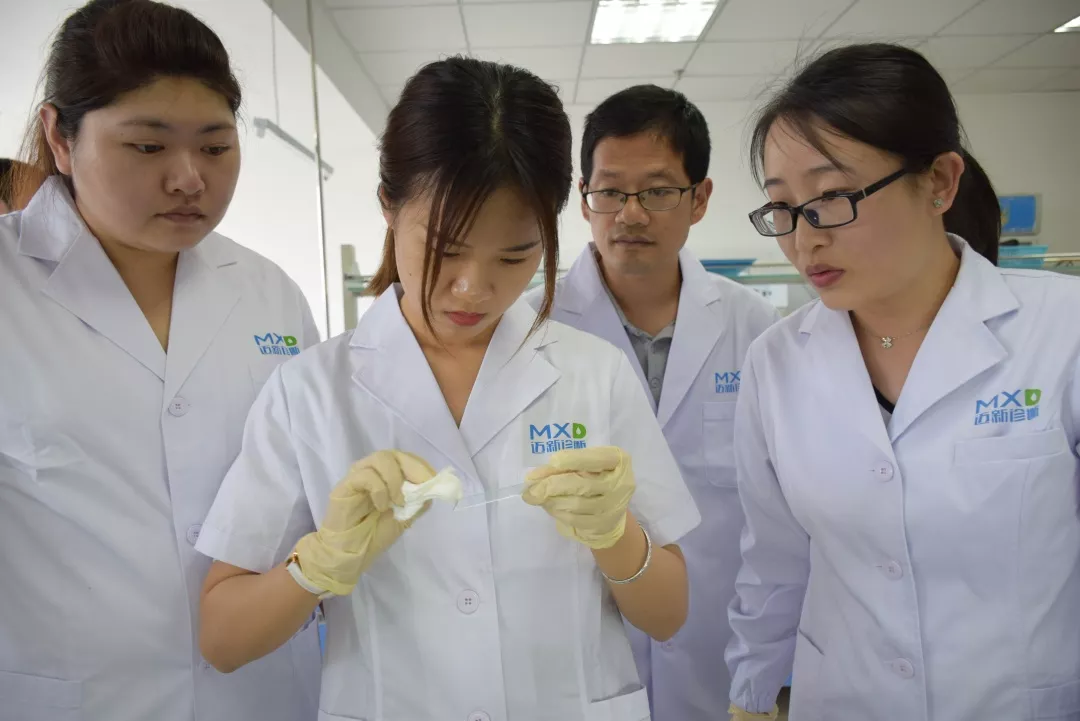
Under the guidance of the instructors, the trainees personally operated throughout the entire process, basically mastering the entire experimental procedure of dual staining and gaining a deeper understanding of immunohistochemistry in liquid-based cytology.
Certificate Presentation and Group Photo Session
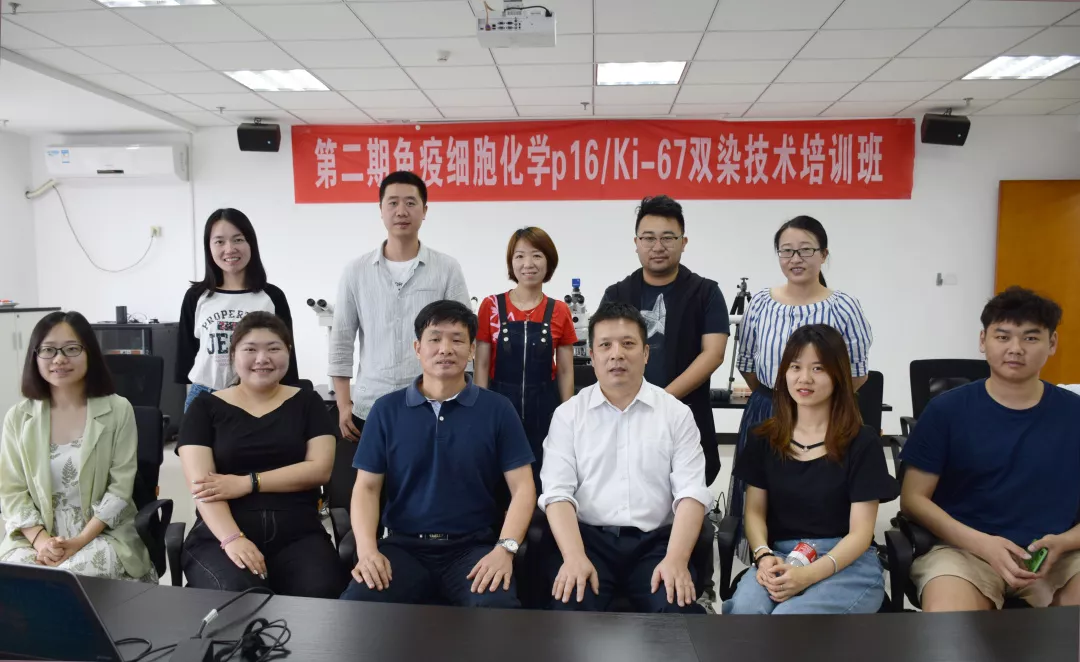
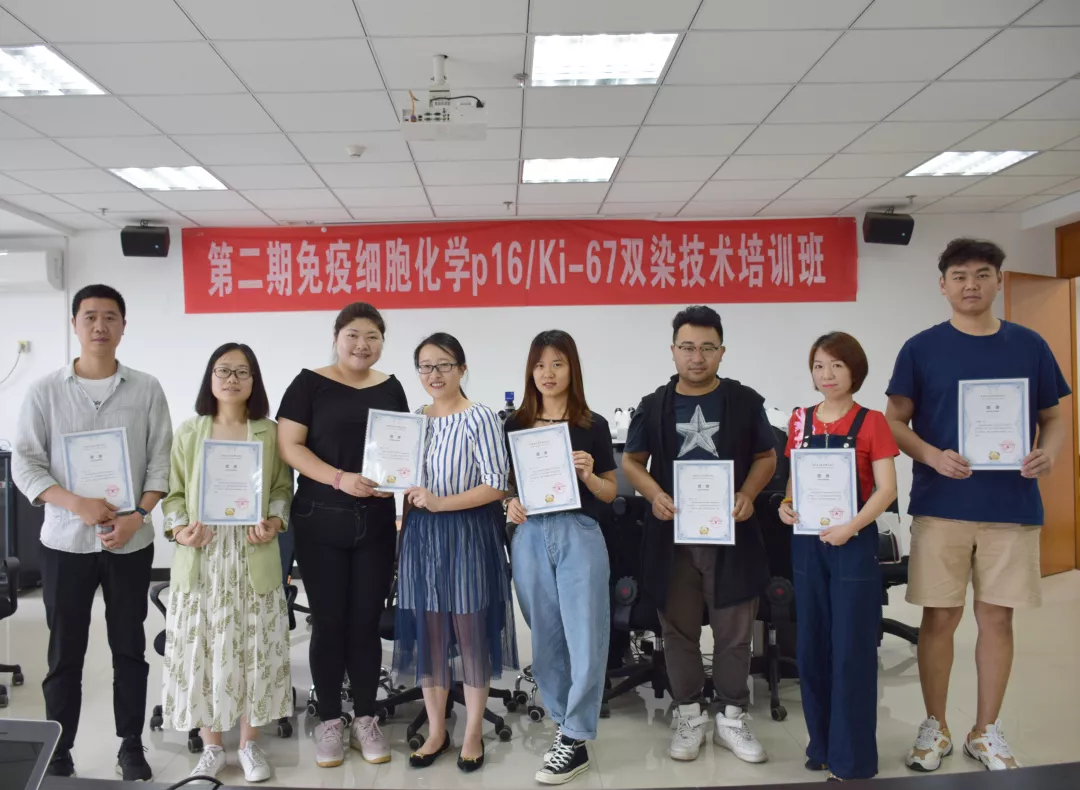
After the training course, the trainees expressed that they had gained a lot and looked forward to the next session of the training course.