The Blossoming of Immunocytochemical Double Staining

Introduction
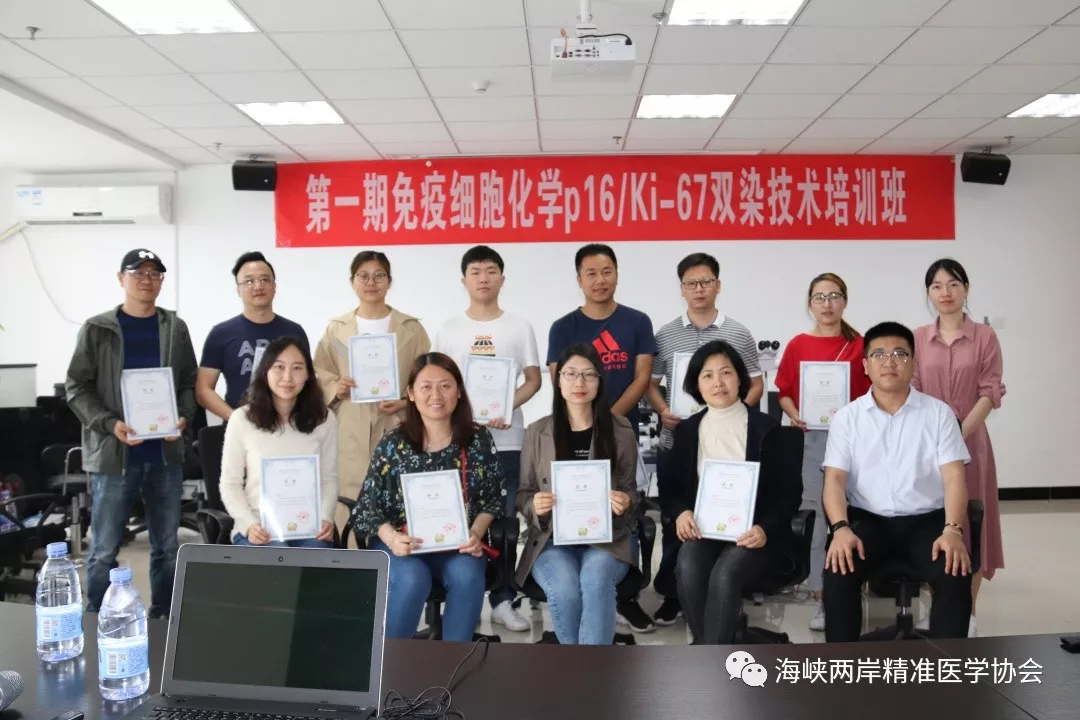
April is the most beautiful time of the year, without the slight chill of March or the dry heat of May. In Fuzhou, April brings alternating warmth and coolness. The first training session on p16/Ki-67 dual staining technology in immunocytochemistry, organized by the Cross-Strait Precision Medicine Association, concluded perfectly here.
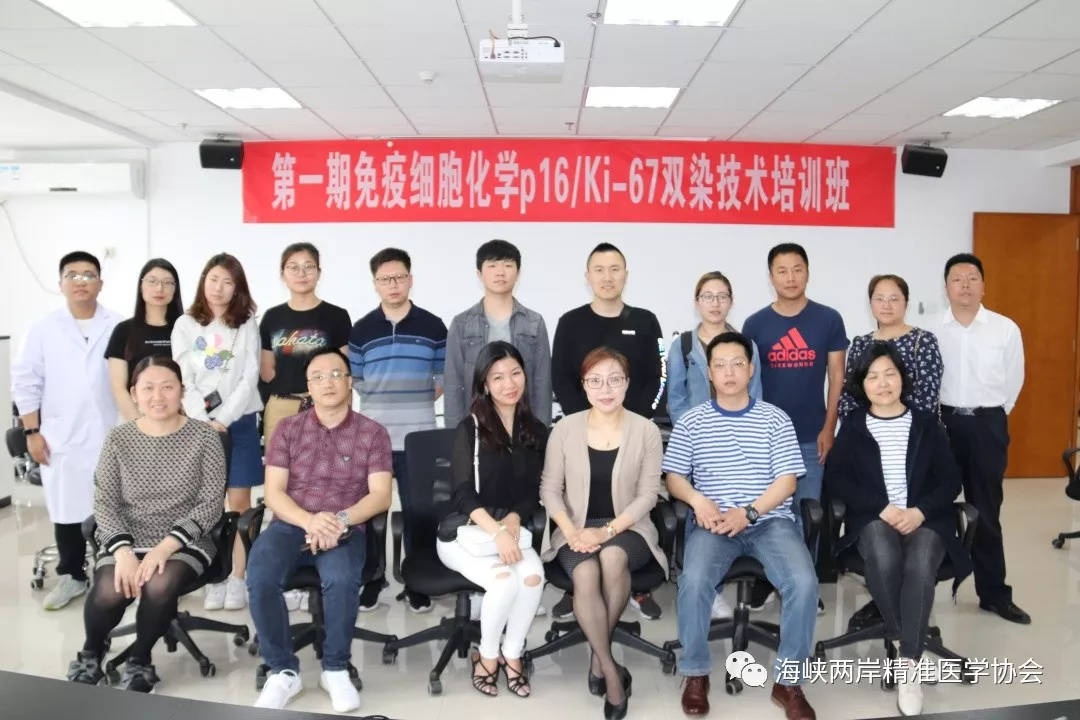
This training session received enthusiastic responses and participation from pathology professionals in regions including Beijing, Chongqing, Fujian, Guangzhou, Hunan, Jiangsu, Jiangxi, Xinjiang, and Zhejiang. The two-day training was successfully completed.
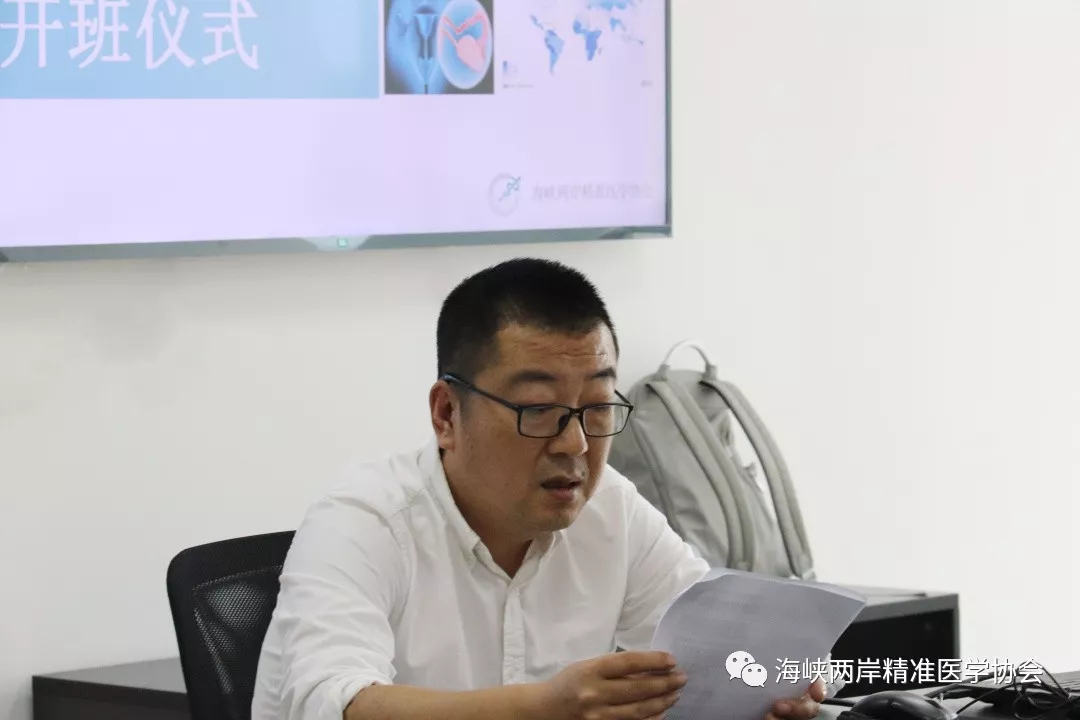
Fu Xuedong, Secretary-General of the Cross-Strait Precision Medicine Association, delivered the welcome speech.
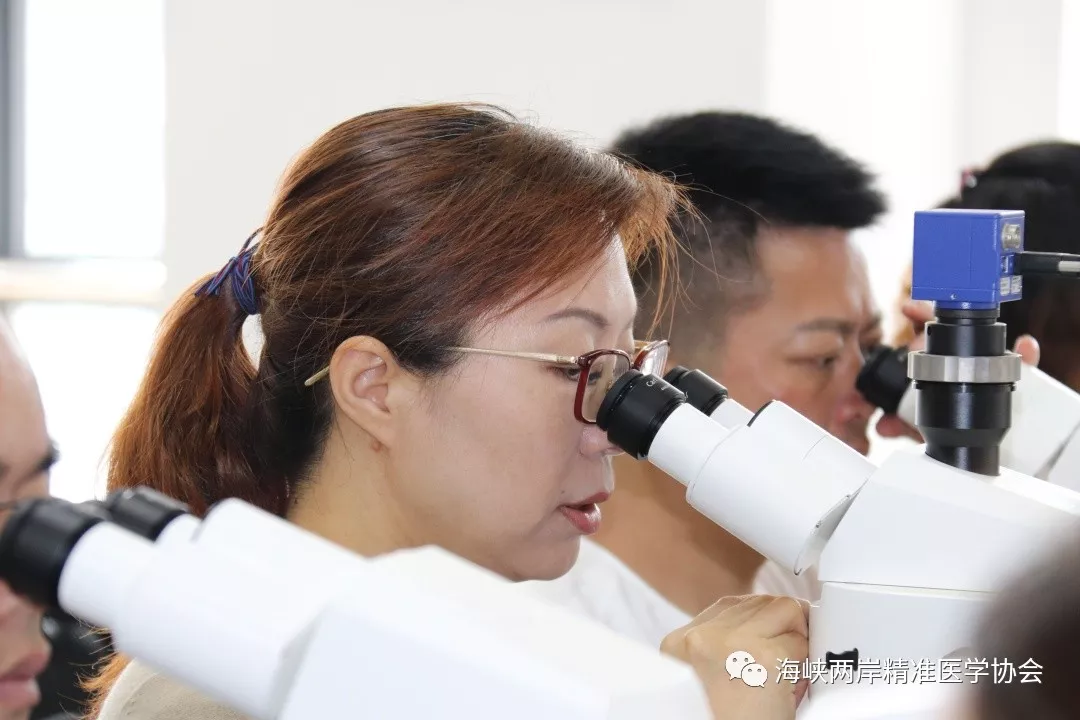
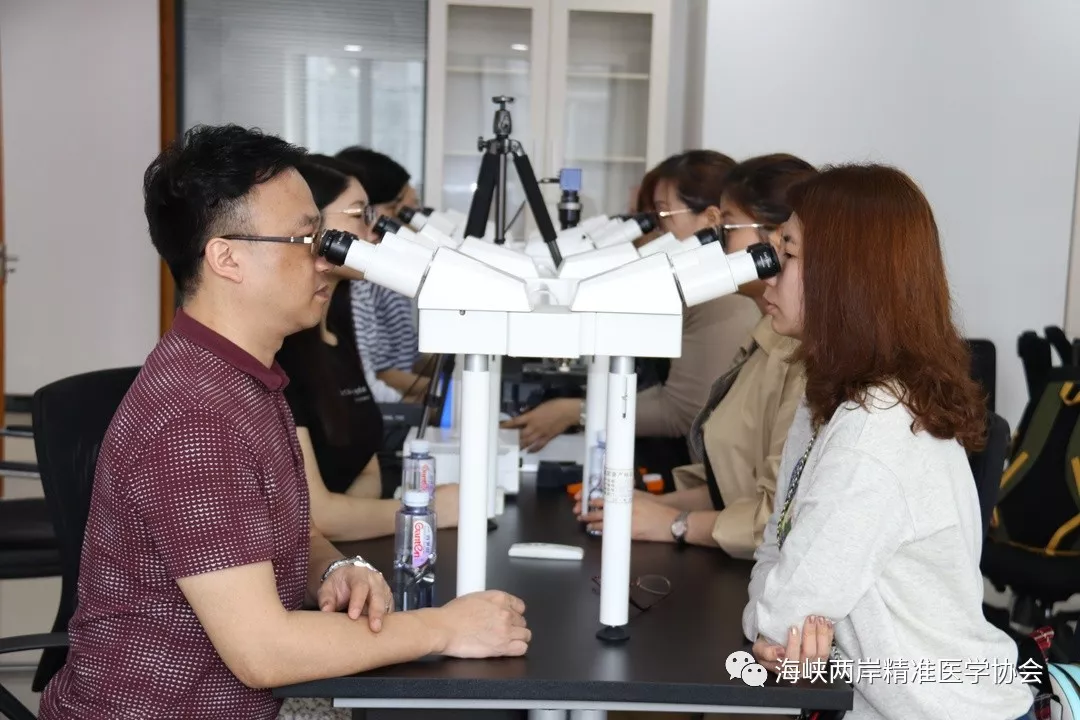
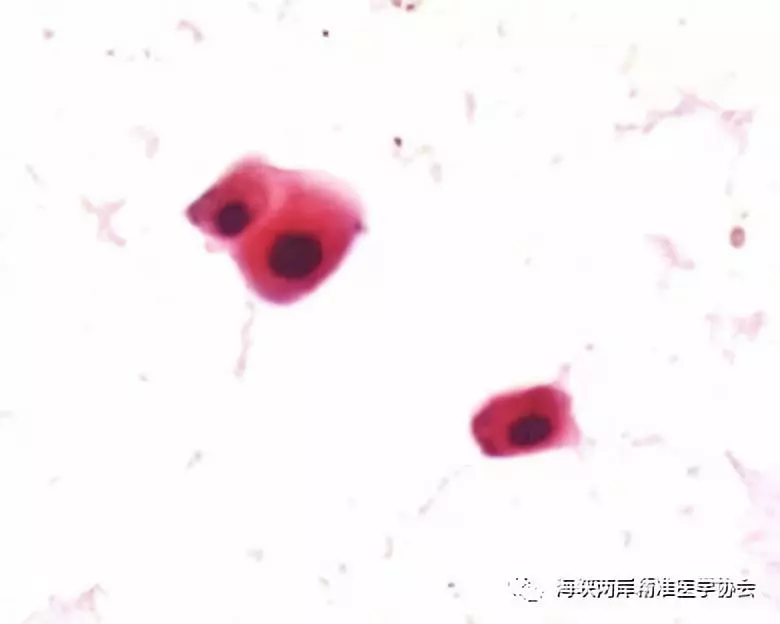
Xu Shuxia, a teacher from the Pathology Department of Fujian Maternal and Child Health Hospital, gave a lecture titled ‘The Application Value of p16/Ki-67 Immunocytochemical Dual Staining in Cervical Lesion Screening.’ She introduced the comparison between single staining and dual staining of p16 and Ki-67 in cytology and histology.Comparison,p16 single stainingIn histology, it can better reflect pathological changes. Using dual staining makes the same slide more intuitive during examination.p16 single stainingIn cytology, it is affected by reversible repair, requiring the combined application of p16/Ki-67 immunocytochemical detection. This method can significantly improve the accuracy of clinical cervical biopsy lesion diagnosis, facilitating clinical triage. Additionally, Teacher Xu used a multi-head microscope for teaching,Guiding the traineesallowing for a more intuitive learning experience of p16/Ki-67 dual staining interpretation in tissues and cells under the microscope.
Lin Jianlong, Director of the Pathology Department at Fujian Second People’s Hospital, explained the application of immunocytochemistry in pleural and ascitic fluids, as well as thyroid fine-needle aspiration cytology. In the context of precision medicine, immunocytochemical dual staining technology not only helps pathologists detect cancer cells more quickly but also accurately reflects the origin of tumor cells, providing more assistance for subsequent patient treatment. It also significantly reduces patient medical expenses and minimizes the overuse of national medical resources.
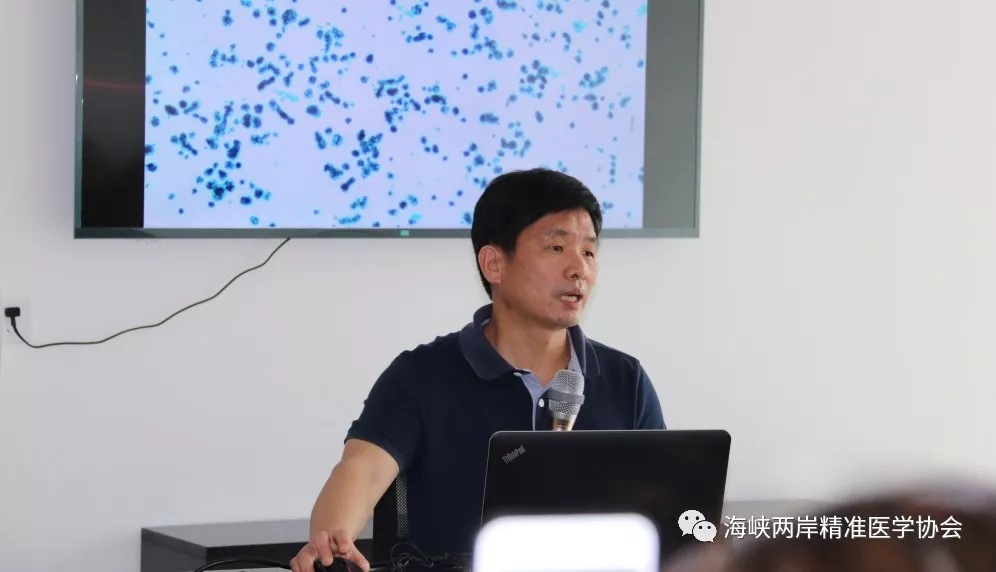
During the meeting, the principles, experimental procedures, clinical significance, and precautions of the p16/Ki-67 dual staining kit independently developed by Maixin were also shared.
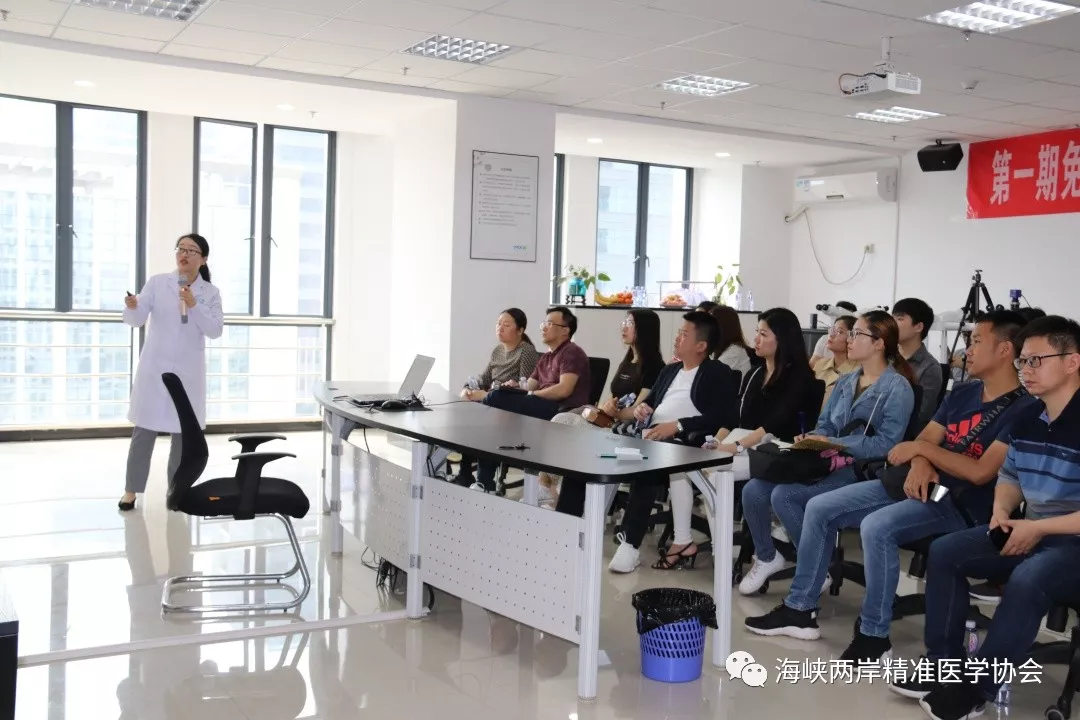
During the training, pathology professionals showed great enthusiasm for learning. Positive tissue slides brought by the trainees were stained using Maixin’s p16/Ki-67 dual staining kit for immunocytochemistry. Multiple participants examined the slides simultaneously, engaging in active discussions and asking questions, with teachers providing answers. This laid a solid foundation for subsequent learning.
Stay true to the original aspiration, and success will follow. Maixin has always maintained its initial commitment to serving the pathology field and actively innovating. Let us work together to contribute to the advancement of pathology.