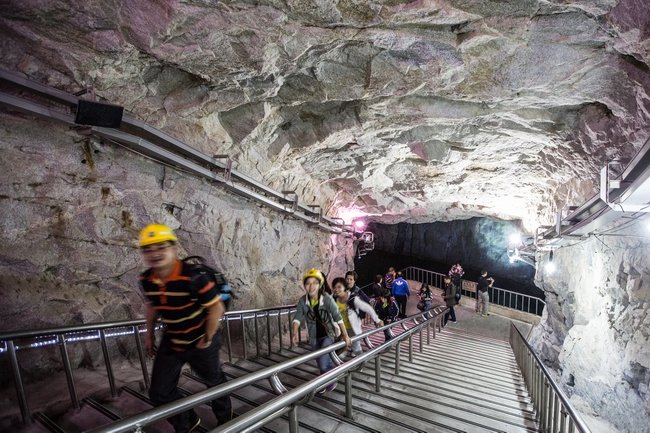
On the Road – The Treasure Island of Taiwan (Part One)

|
We are a string of pearls cast up by the East Sea, Ryukyu is my younger brother, and I am Taiwan. In my chest still lingers the heroic soul of the Zheng family, The loyal crimson blood has dyed my family heritage. |
|||||||||||
| Every time I hear this Song of the Seven Sons—Taiwan, it always reminds people of that era of continuous warfare. However, this autumn, when we truly set foot on the land of Taiwan with excitement, the mountains, rivers, and local customs completely changed our impression of Taiwan. Ocean, food, sunshine—the Maixin people, ready for a vacation mood, were about to unveil the mysterious veil of Taiwan after the company’s 20th-anniversary celebration. But the day before departure, the suspension notice of the ‘Strait’ ferry poured cold water on everyone’s enthusiasm. However, the temporarily changed route: Xiamen—Kinmen—Kaohsiung reignited our longing for Kinmen. |
|||||||||||
|
|||||||||||
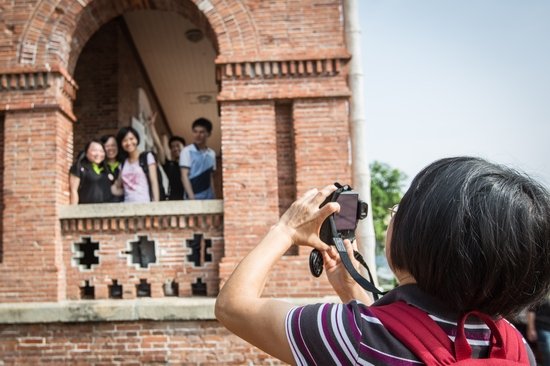
| On the Road—Kaohsiung, the Treasure Island of Taiwan With endless reflections and after several twists and turns, we finally boarded a small plane bound for Kaohsiung and arrived at the southern city of Kaohsiung in Taiwan. Kaohsiung was originally named Takao or Dagou and was renamed Kaohsiung by the Japanese during the Japanese occupation period. Located in the southwest of Taiwan Province, it guards the southern entrance of the Taiwan Strait and is the maritime gateway to southern Taiwan. It is the second-largest city in Taiwan, with the second-largest population. After over 100 years of development, Kaohsiung has gradually formed an urban construction style that blends Eastern and Western styles and integrates ancient and modern architecture. The city preserves some imitation ancient Chinese buildings and also retains a variety of modern Western-style buildings, including Japanese-style architecture, Gothic architecture, and other Western architectural styles. The first stop of the tour in Kaohsiung is the Takao British Consulate, the first complete and sturdy Western-style house built in Taiwan. It is the oldest surviving Western modern building in Taiwan, belonging to the Baroque style of the post-Renaissance era. Now, the consulate has become an open-air café, crowded with tourists. Inside, precious historical materials, pictures, artifacts, and models of Kaohsiung are displayed, so the consulate is also known as the Kaohsiung Historical Relics Museum. |
|||||||||||
 |
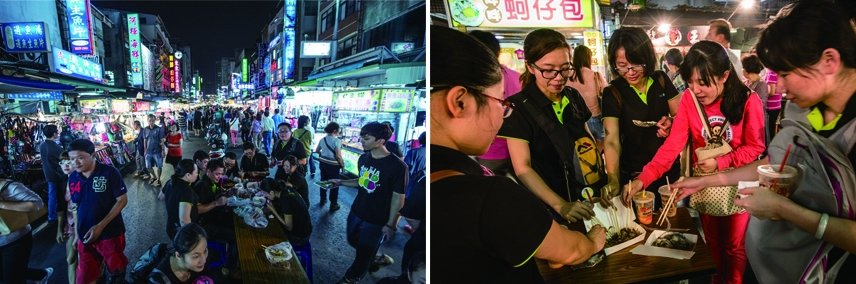
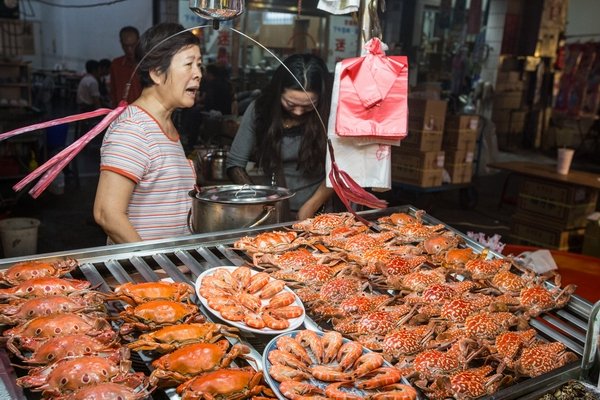
After visiting the Takao British Consulate and the Teresa Teng Memorial Hall, the guide took us to tour the Love River in Kaohsiung. The murmuring clear stream of the Love River has been praised by countless poets and writers, and how many love stories have unfolded here! Admiring the Love River and the colorful night scenery on both banks, we fell into reverie. After dinner, the guide took our large Maixin group to the famous Liuhe Night Market. Liuhe Night Market is an internationally renowned tourist night market, famous throughout Taiwan and even internationally, shaping the overall image of an international-level food and tourism night market. During the day, it is a straight main road; at night, it becomes bustling with traffic and excitement, offering a dazzling array of local delicious foods. This is a paradise for foodies. Snowflake ice, seven-spice, papaya milk… just thinking about it makes my mouth water! |
||||||||||
|
|||||||||||
 |
|||||||||||
| Or setting up a long table feast for a gluttonous banquet—the delicacies of the world are no more than this. | |||||||||||
 |
|||||||||||
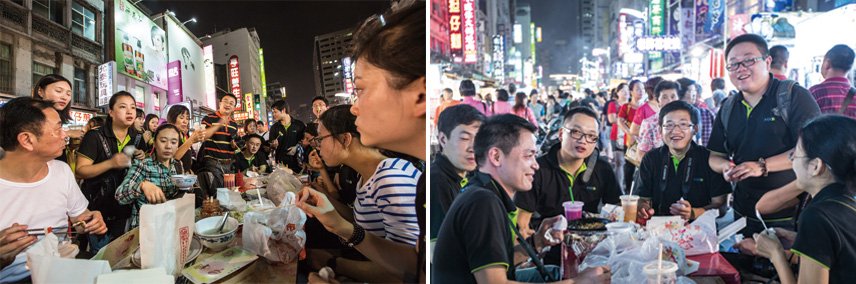
| Accompanied by the calls of vendors, tasting authentic and delicious snacks, everyone chatted in the night market… | |||||||||||
 |
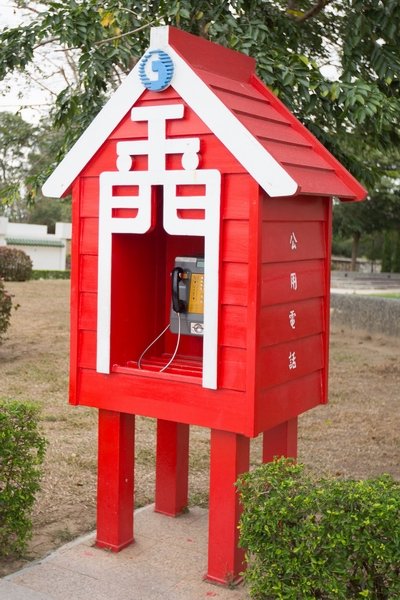
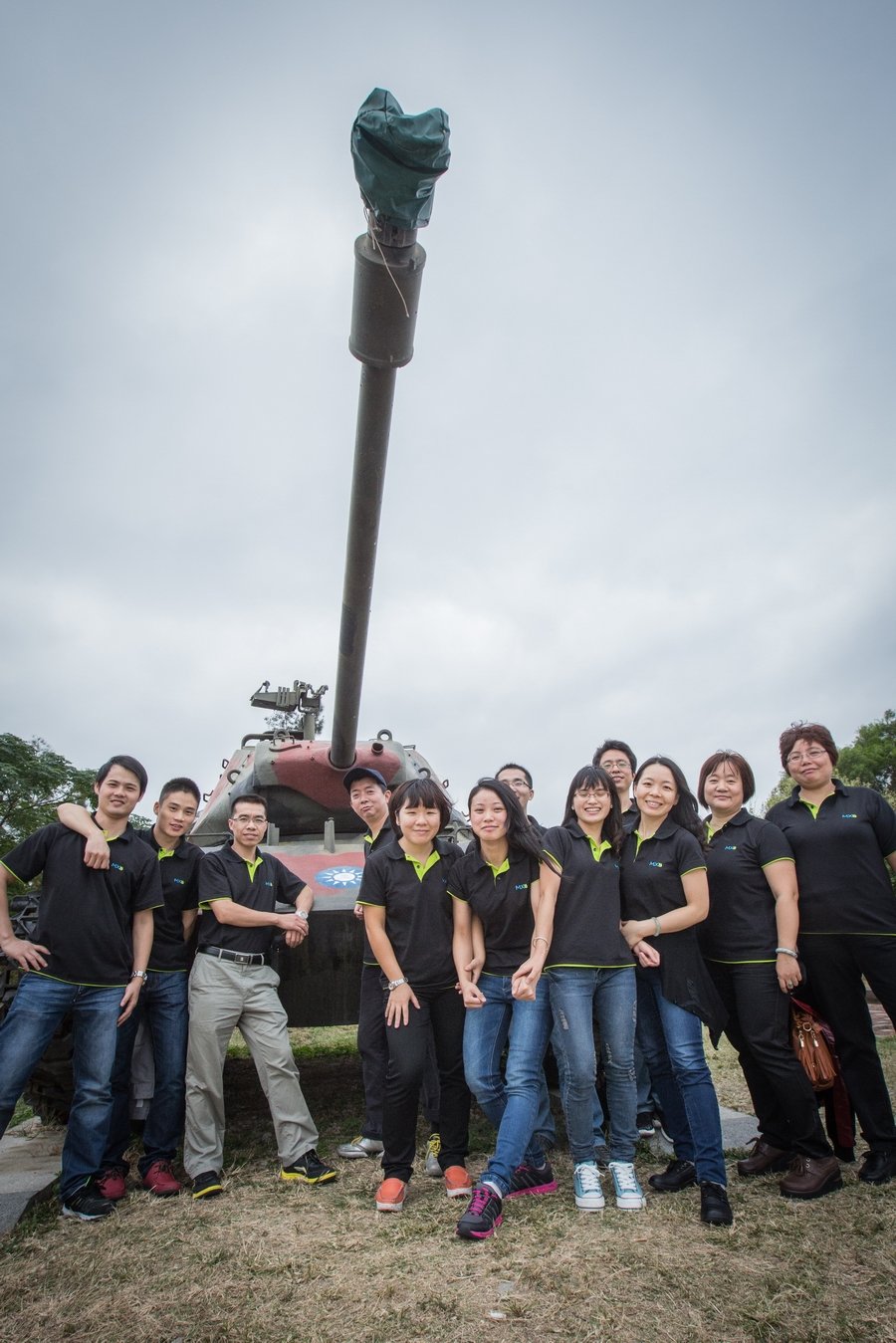
‘The people in Taiwan are very warm and friendly…’, ‘The streets in Taiwan are very clean…’—on the very first day of staying in Taiwan, colleagues couldn’t wait to share various characteristics of Taiwan. The harmonious unity of modern high-rise buildings and old three- or four-story buildings, the clean and tidy roads, and even more touching were the moments of warmth during the journey: the enthusiastic guide from the moment we boarded the tour bus, the driver who fought to carry luggage for tourists—these were rarely experienced in previous travels! During the journey, the warmth continued… | ||||||||||
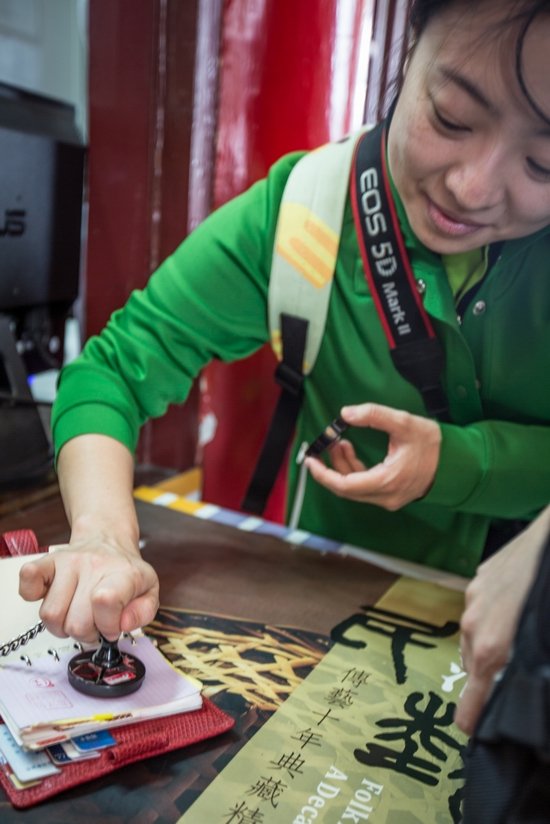 Colleagues who like to fill their little notebooks with stamps are very busy at this moment.