
A Chronicle of the Maxin Team’s Visit to MD Anderson Cancer Center

The University of Texas MD Anderson Cancer Center (hereinafter referred to as “MDACC”) is a globally recognized authoritative specialized cancer hospital. As one of the first three comprehensive cancer treatment centers designated by the 1971 U.S. “National Cancer Act” plan, it has been committed to conquering cancer and proposed the slogan “Make Cancer History.” The word “Cancer” in the hospital’s logo is crossed out in red, demonstrating its firm determination to overcome this challenge, which is also the ultimate goal of cancer treatment for all humanity. Over 20,000 employees across the hospital are striving towards this goal.
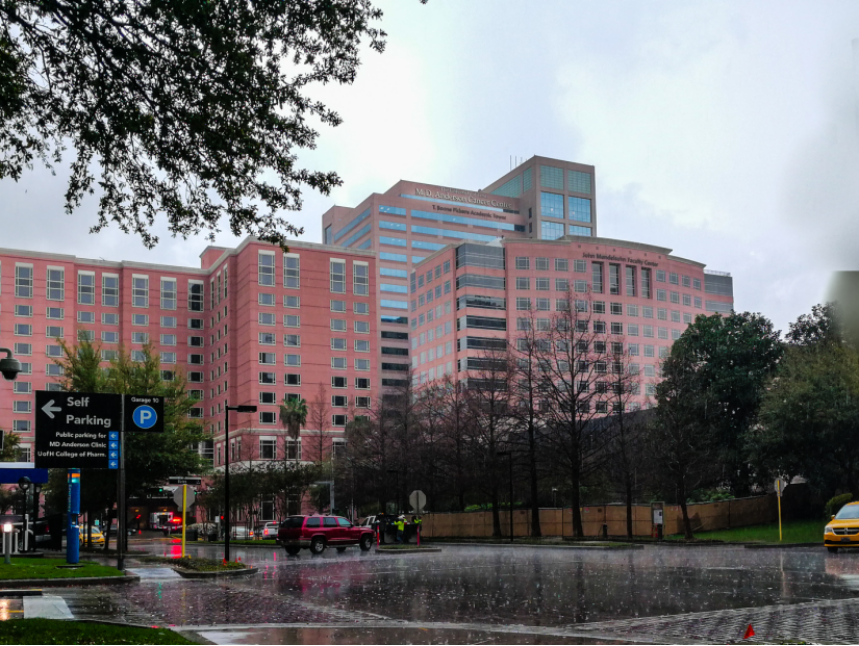
Figure 1The office building and patient-dedicated hotel of MD Anderson Cancer Center in the spring rain
MDACC enjoys a high reputation. Impressed by its outstanding medical technology and advanced management philosophy, on March 8, 2017, a team of five from Maxin visited this renowned cancer center after attending the USCAP annual meeting to meet with Professor Tan Dongfeng. Although the schedule was somewhat rushed, Professor Tan’s concise yet focused introduction to MDACC’s structure, history, and pathology department-related processes, along with the well-organized itinerary, made the Maxin team feel that the trip was truly worthwhile. Here, we select two or three profound impressions to share with everyone:
Rigorous Standards, Excellent Management
“DO THE RIGHT THING” is the requirement MDACC sets for all employees, which was vividly reflected throughout our visit, demonstrating the characteristics of prioritizing people over tasks, systematization, and standardization.
Upon arrival, we quickly observed MDACC’s external environment: clean, tidy, and decorated with a strong humanistic touch. Slogans from outstanding MDACC employees were visible everywhere, each with a personal statement, conveying a sense of achievement and pride as an MDACC member. Later, under Professor Tan’s guidance, we systematically visited various laboratories in the pathology center, including the grossing room, technical room, immunohistochemistry room, digital pathology room, frozen section room, and the pathology consultation material processing center managed like an airport “flight schedule.” The division of specialties was reasonable, equipped with advanced medical (information) systems. All processes were standardized and regulated. For example, during specimen grossing, a dedicated pathologist is responsible, carefully checking each specimen, clearly marking lesions and normal areas, and taking photographs. Especially for large specimens like mastectomies, digital imaging is used for localization and characterization to guide accurate sampling. Data is shared, and precise sampling is performed to minimize errors, with full traceability throughout the process. Professor Tan specifically emphasized that precision should not be limited to the treatment stage but should start from the source (specimen sampling) to truly achieve precise cancer treatment. He also introduced the training process and model for specialized fellows abroad. In the United States, the long and rigorous training system ensures that doctors are well-trained, academically rigorous, and possess high diagnostic expertise.
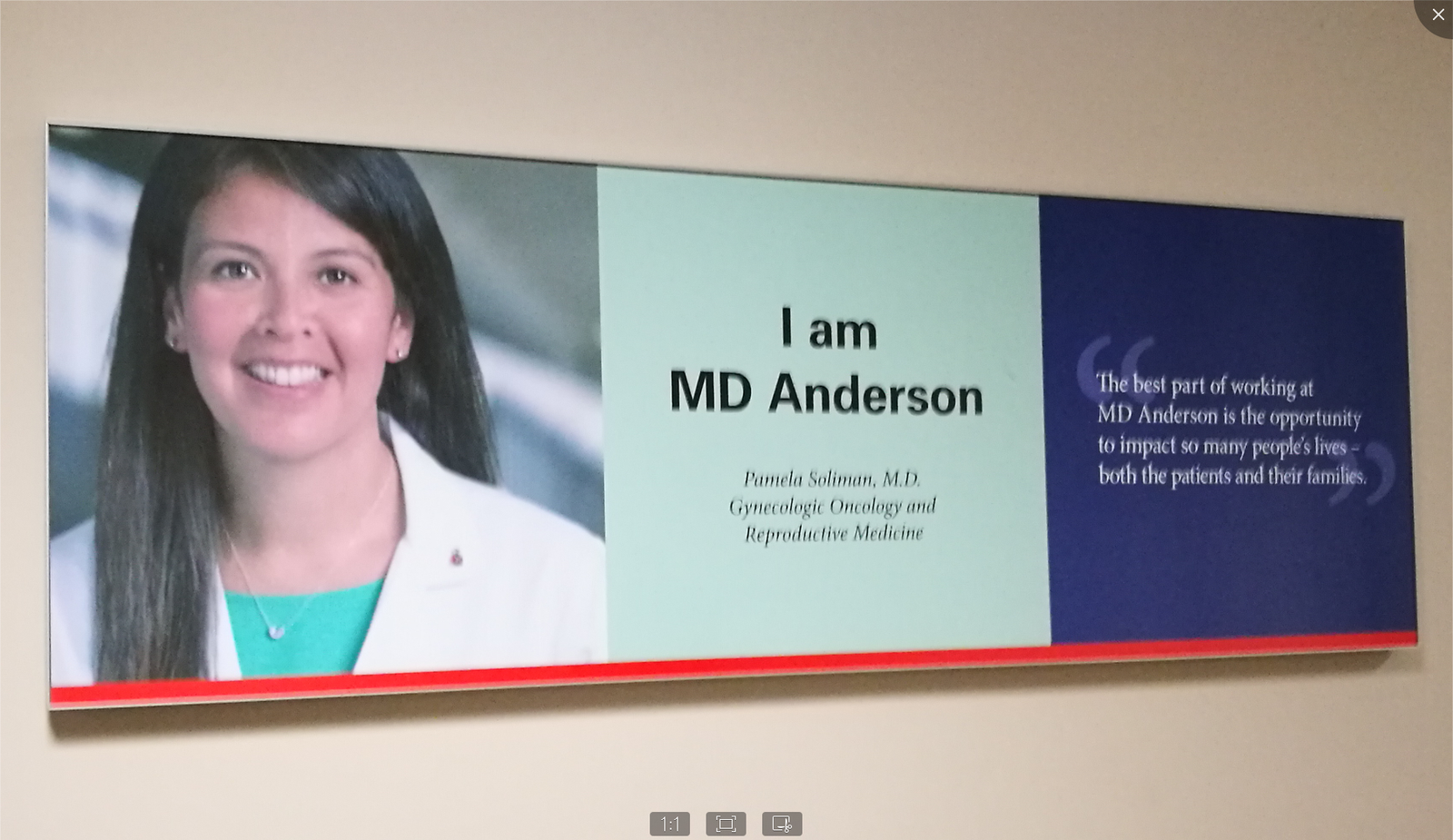
Figure 2MD Anderson employee slogans visible everywhere
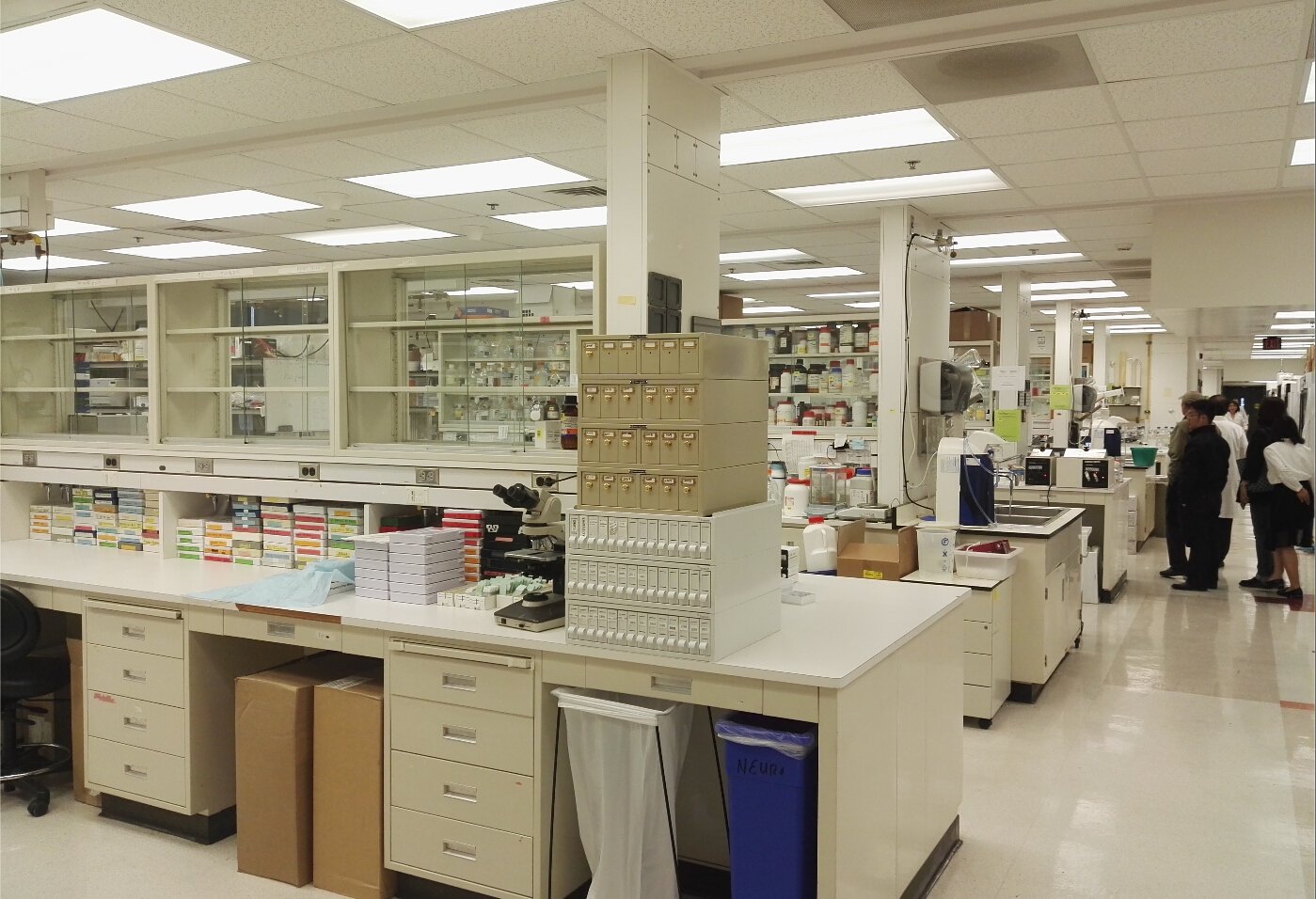
Figure 3A neat corner of the laboratory area, where Professor Tan is earnestly introducing to the Maxin team
During the visit, we noticed two small details: (1) A colorful weekly schedule on an MDACC female employee’s desk, detailing her work priorities for the week, accompanied by the phrase: Do not die a copy! (2) Above a mirror at the entrance of a laboratory, it reads: “Excellence is your goal.” These two motivational phrases also reflect that both MDACC as a whole and individuals constantly remind themselves not to slack off. Even repetitive daily work should not be an excuse for laziness; there must be a spirit of challenging oneself and innovation, which has gradually contributed to MDACC’s success today!
Details Matter, Patient-Centered
Inside MDACC hospital, there are areas such as a chapel, patient family lounges, children’s activity centers, and volunteer workstations, all clearly visible. These fully consider patients’ living and spiritual needs. They also encourage employees’ family members or enthusiastic individuals from society to participate as volunteers in MDACC’s work (currently, there are over 2,000 volunteers). These volunteers undergo systematic training before starting. Professor Tan proudly mentioned that his daughter has been volunteering at the hospital regularly every two weeks since middle school. Of course, many volunteers are former patients who received treatment here. They have the most direct and profound experiences and better understand patients’ needs and desires.
The interior decorations of the hospital show attention to detail and humanistic care. A shutter that can be opened from the outside, a pair of size 11 basketball shoes donated by Yao Ming, and even an Amazon forest wood acoustic panel—every facility and small detail is thoughtfully designed.
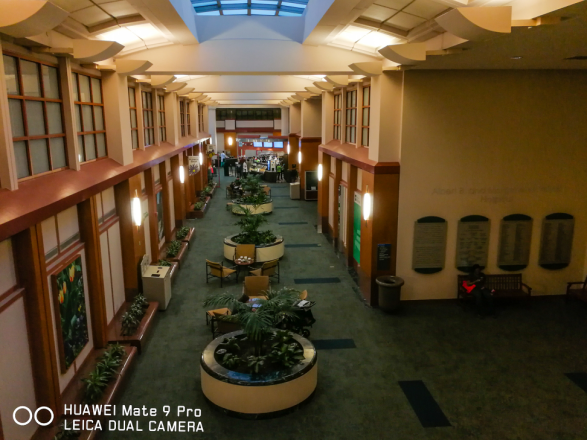
Figure 4A warm and relaxing outpatient patient lounge area
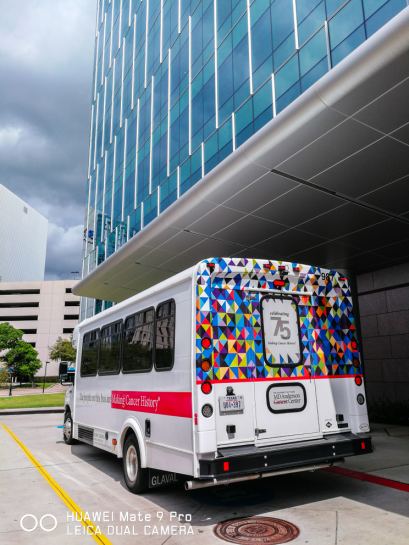
Figure 5Clean and tidy campus shuttle buses, providing convenience for employees and patients
What impressed us even more was the quiet atmosphere here, with no crying or noise from patients’ families. Every patient here seems to live a normal life, with no signs of pain on their faces, no swollen lower limbs, or large bruises. This may be closely related to the comprehensive cancer pain management services provided by MDACC. Multi-center collaboration can minimize the suffering from cancer and side effects during treatment, allowing patients to maintain their best condition to cooperate with therapy. This fully reflects MDACC’s core value of being “patient-centered.”

Figure 6Size 11 basketball shoes donated by Yao Ming

Figure 7Amazon wood acoustic panel
Warm, Attentive, and Dedicated
This rare opportunity for a visit and learning experience was made possible by our enthusiastic Professor Tan’s guidance. As the first interdisciplinary Asian clinical doctor in the over 70-year history of Anderson Cancer Center, he tirelessly returned to Houston after attending the USCAP conference and carefully arranged our itinerary in advance. Throughout the visit, he provided detailed introductions and patiently answered questions, aiming to collaborate and contribute more to the development of pathology in China.
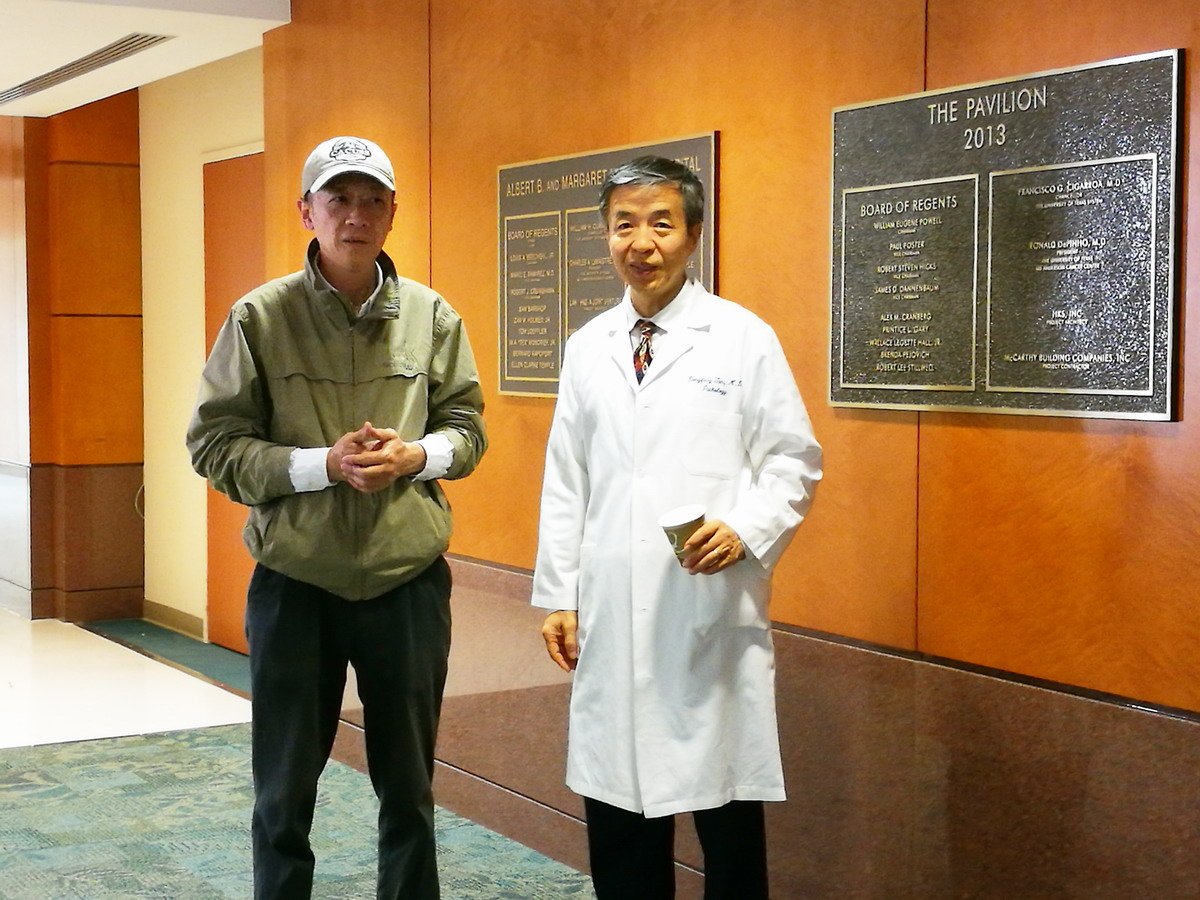
Figure 8Professor Tan explaining MDACC’s history to us
As the interview neared its end, Professor Tan specially took us to visit the employee fitness center. With great interest, he engaged in a fitness challenge with the young members of our team and advised us to maintain exercise and good health. Having a healthy body is the foundation for dedication and realizing self-worth. From Professor Tan, we not only saw the dedication of an outstanding MDACC member but also the sincere loyalty of Chinese pathologists in the United States to their homeland, which is truly worth learning from!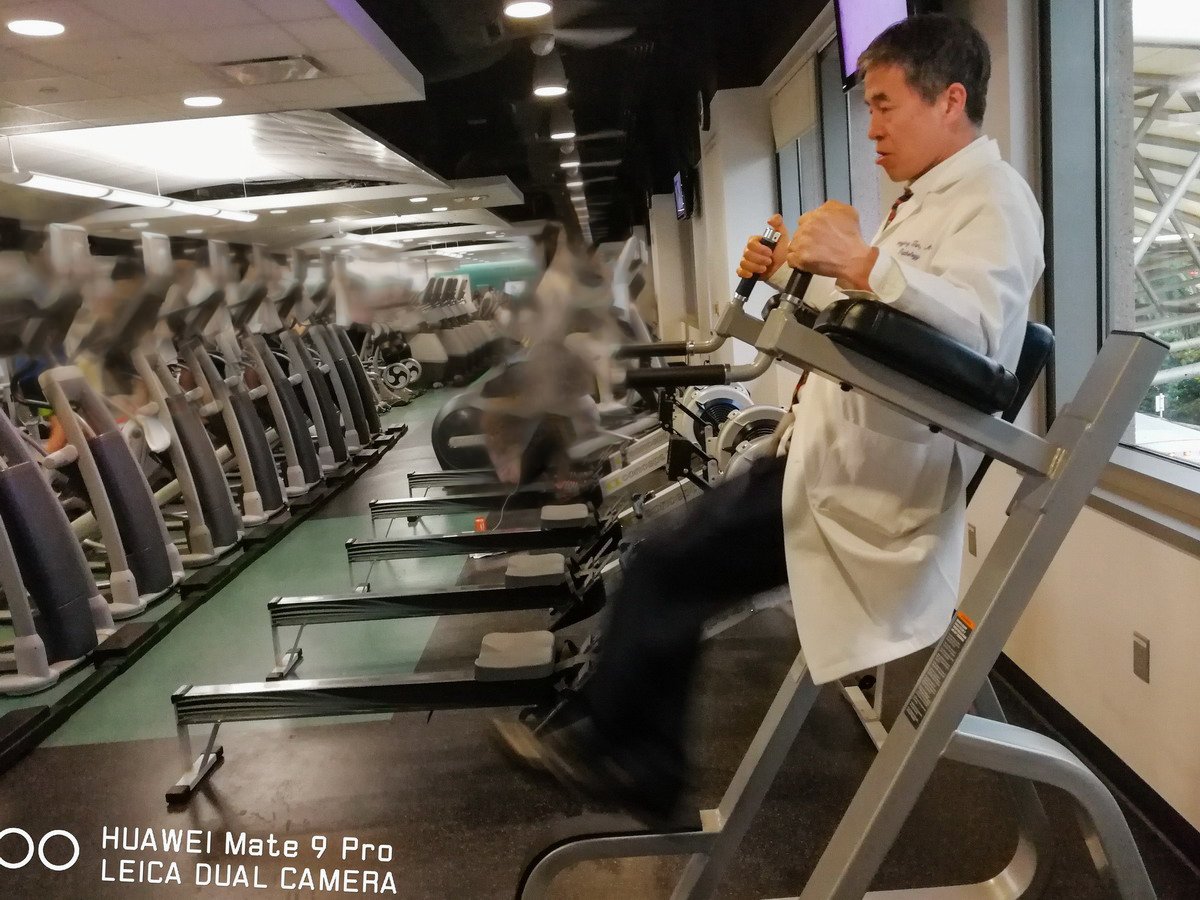
Figure 9Professor Tan personally demonstrating for us in the gym
Due to time constraints, we were unable to personally experience MDACC’s MDT (Multidisciplinary Team) collaborative meetings, which is a small regret. Although we cannot describe the entire journey in detail, this visit broadened our horizons and motivated us to improve and advance. Overall, MDACC’s management philosophy is instilled from the surface to the core, not merely formalistic but executed with impact. Here, everything is patient-centered, inclusive, open, and full of dedication. There is still significant room for development in domestic pathology. We hope to strengthen communication platforms between domestic and international communities in the future, sharing good concepts, knowledge systems, and management systems to serve a broader population of cancer patients!